Employee mental health is no longer a “nice-to-have” workplace initiative, it has become a business necessity. As organizations navigate hybrid work, rapid technological changes, economic uncertainty, and increasing employee expectations, mental well-being has emerged as one of the most important factors influencing productivity, retention, and organizational success.
In 2026, employees are not just looking for competitive salaries and perks. They prefer workplaces that support their emotional well-being, recognize burnout, and create an environment where people can thrive. Companies that prioritize employee mental health are seeing stronger teams, better engagement, and healthier workplace cultures.


Why investing in employee Mental Health Is More Important Than Ever
The modern workplace has changed dramatically over the past few years. While technology has improved efficiency, it has also blurred the boundaries between work and personal life. Many employees find themselves constantly connected, responding to emails after hours, and struggling to disconnect from work-related stress. As companies deal with hybrid work setups, tech that evolves super-fast, unsure economics, and staff with higher expectations, taking care of employee’s mental well-being is crucial for success, keeping good talent, and getting things done.Poor mental health can lead to:
- Reduced productivity and concentration
- Increased absenteeism
- Higher turnover rates
- Lower employee engagement
- Increased workplace conflicts
- Greater healthcare costs for organizations
The Growing Need for Workplace Mental Health Programs
The need for structured mental health programs in workplaces is growing. Companies aren’t just doing occasional wellness activities; they’re building systems to offer long term support. It’s about fostering a work environment that really cares about the mental health of its staff. When people think help is out there, they’re more willing to reach out early, stopping minor issues from blowing up. People who feel their mental health is backed at work tend to be more driven and involved. They get along better with teammates, adjust to new transitions quicker, think outside the box, and stick around longer. This leads to improved work performance, happier clients, and companies that can handle rough patches better. Without this focus, though, businesses face pricey recruitment, less enthusiasm among staff, and more folks walking out the door.Corporate mental wellness
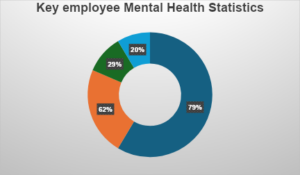
Mental wellness in the corporate world needs more attention too. Many firms see mental health programs as extras rather than key parts of business planning. Yet, studies prove time and again that workers shine when they sense support. Recent studies show that 62% of workers feel burnout and around 29% take days off due to mental health issues. 20% quit their jobs because of stress. Surprisingly, 79% of the employees think their organizations can do better when it comes to supporting mental wellness. This highlights a big mismatch between what employees need and what they get at work.
Why investing proactively in employee well-being is smart:
- Strengthens teamwork and workplace collaboration
- Enhances adaptability in changing work environments
- Fosters creativity, innovation and problem-solving
- Increases employee loyalty and long-term commitment to the organization
Building a Culture of Corporate Mental Wellness
Corporate mental wellness is about integrating well-being into the organization’s values, leadership practices, and daily operations. Creating a mentally healthy workplace requires more than launching a wellness campaign. It involves fostering a culture where employees feel safe discussing challenges without fear of judgment or negative consequences.Organizations can strengthen corporate mental wellness by:
- Encouraging Open ConversationsLeaders who openly discuss mental health help reduce stigma and normalize seeking support. When employees feel comfortable talking about stress or burnout, they are more likely to access resources before reaching a crisis point.
- Training Managers to Recognize Warning Signs Managers are often the first to notice changes in employee behaviour. Providing mental health training enables leaders to identify signs of stress, exhaustion, and disengagement while responding with empathy and support.
- Promoting Work-Life Balance Encouraging employees to take breaks, use their leave, and establish healthy boundaries can significantly reduce burnout and improve overall well-being.
- Prioritizing Psychological Safety Employees should feel comfortable sharing ideas, ask questions, and expressing concerns without fear of criticism. Psychological safety plays a critical role in both mental health and workplace performance.
- Understanding Employee Assistance Program (EAP) Benefits One of the most effective ways organizations support employee mental health is through Employee Assistance Programs (EAPs). Employee assistance program benefits typically include confidential counselling, emotional support, mental health resources, and guidance for personal or work-related challenges. The confidential nature of EAP services often makes employees more comfortable seeking support when they need it. Beyond individual benefits, EAPs also help organizations by reducing absenteeism, improving employee satisfaction, and supporting overall workplace well-being.